Plants & Identification
Plants are living organisms in the kingdom of photosynthetic eukaryotes, ranging from indoor ornamentals to outdoor garden species, trees, herbs, and wildflowers. This hub covers every plant species in PlantoScan's care catalogue — watering intervals, light requirements, soil mixes, propagation methods, pests, toxicity, and identification data.
Three ways to browse: by attribute (low-light, pet-safe, drought-tolerant, flowering, easy-care), by genus (Hoya, Monstera, Philodendron, and more), or by popularity. Every entry links to a detailed care guide with the exact data returned by our plant identification model.
Browse Plants by Attribute
Pick the constraint that matches your room, garden, lifestyle, or household. Each list filters the full catalogue by a single attribute so you can shortlist species without opening every page.
Low-Light Plants
Low-light plants tolerate environments under 200 lux of indirect light and grow steadily away from windows or direct sun. They adapt to hallways, bathrooms, north-facing rooms, and shaded garden spots where bright-light species would stretch or drop leaves.
View listBright-Light Plants
Bright-light plants need at least 800 lux or several hours of direct sun per day to grow healthily. They're the right choice for south-facing windows, sunrooms, balconies, and open garden beds where low-light species would fail to flower or etiolate.
View listPet-Safe Plants
Pet-safe plants contain no compounds known to be toxic to cats or dogs when leaves are chewed or ingested. Every species listed below is listed as non-toxic to both cats and dogs in veterinary toxicity references; plants without a verdict there are not included.
View listPet-Toxic Plants
Pet-toxic plants contain compounds that cause gastrointestinal, neurological, or cardiac harm when ingested by cats or dogs. The species listed below are listed as toxic to cats and/or dogs in veterinary toxicity references, or flagged toxic in PlantoScan's data, and should be kept out of reach in homes and gardens with pets.
View listDrought-Tolerant Plants
Drought-tolerant plants go 10 or more days between waterings without wilting. They store water in succulent leaves, tubers, or thick stems, making them ideal for travellers, forgetful owners, dry-air homes, and water-wise gardens.
View listFlowering Plants
Flowering plants produce blooms ranging from waxy Hoya clusters and showy Anthurium spathes to delicate orchid sprays and perennial garden flowers. The species below all have verified flowers in PlantoScan's data.
View listEasy-Care Plants
Easy-care plants forgive missed waterings and tolerate a range of light levels. They're the best starting point for first-time plant owners and for anyone who travels or works long hours.
View listSucculent Plants
Succulent plants store water in thick, fleshy leaves, stems, or roots, allowing them to survive long dry periods. They prefer bright light, gritty soil, and infrequent watering — classic examples of low-maintenance species.
View listVining & Trailing Plants
Vining and trailing plants grow long stems that climb, cascade from shelves, or hang from baskets. They're ideal for adding vertical interest indoors and for covering trellises or fences outdoors.
View listLarge Plants
Large plants grow to at least three feet in height, making them natural statement pieces for corners, entryways, and garden borders. They need proportionally larger pots, more light, and deeper watering than smaller species.
View listSmall Plants
Small plants stay under one foot tall, making them ideal for shelves, desks, windowsills, and terrariums. They need less light and water than their larger counterparts and rarely outgrow their pots.
View listHumidity-Loving Plants
Humidity-loving plants need 60% or higher ambient humidity to grow well. They thrive in bathrooms, terrariums, kitchens, and anywhere a humidifier or pebble tray maintains moisture around their leaves.
View listAir-Purifying Plants
Air-purifying plants remove volatile organic compounds, formaldehyde, benzene, and other indoor pollutants through leaf absorption and microbial root activity. NASA's Clean Air Study popularised these species as a natural indoor-air improvement.
View list
Plants for Every Space
Shortlists for a specific room, climate or household — each combines several care attributes, explains exactly how the plants were chosen, and answers the most common questions.
Low-Light Pet-Safe Plants
Houseplants that tolerate low light and are non-toxic to cats and dogs.
Bathroom Plants
The best bathroom plants: humidity-loving houseplants that need 60%+ humidity and no direct sun.
Bedroom Plants
Bedroom plants that are air-purifying and easy to live with: species that tolerate lower light or go a week or more between waterings.
Office Plants
Office plants that tolerate low or artificial light and go a week or more between waterings.
Plants Safe for Cats
Cat-safe plants listed as non-toxic to cats.
Plants Safe for Dogs
Dog-safe plants listed as non-toxic to dogs.
Tropical Houseplants
Tropical houseplants that need at least 15°C (59°F) and 50%+ humidity: alocasias, anthuriums, calatheas, philodendrons and more, with care guides for each..
Cold-Hardy Plants
Cold-hardy plants hardy to USDA zone 6 or colder, or tolerant of 5°C (41°F) and below: trees, shrubs, perennials and bulbs for cold climates, with care guides..
Plants by Native Country
See all 214 countries →A plant's native range tells you the climate it evolved for. Browse the plants native to each country, with care guides for every species.
United States
18,000 native plants
Australia
16,595 native plants
Mexico
14,173 native plants
Brazil
10,634 native plants
Ecuador
9,556 native plants
China
8,841 native plants
Colombia
8,391 native plants
Bolivia
8,184 native plants
Peru
8,148 native plants
Venezuela
8,007 native plants
Canada
7,942 native plants
Spain
7,600 native plants
South Africa
7,267 native plants
Portugal
7,114 native plants
Greece
7,091 native plants
Italy
7,089 native plants
Argentina
7,064 native plants
Albania
6,855 native plants
Indonesia
6,841 native plants
Croatia
6,813 native plants
Cyprus
6,764 native plants
Malta
6,678 native plants
Guyana
6,598 native plants
Paraguay
6,587 native plants
Browse Plants by Genus
View all 485 genera →Species within the same genus share similar watering, light, and soil requirements. Browsing by genus is the fastest way to compare care routines across closely related plants. The genera below are those with the most species on PlantoScan.
Philodendron
22 species
Hoya
21 species
Prunus
13 species
Monstera
12 species
Alocasia
11 species
Anthurium
11 species
Crassula
9 species
Dracaena
9 species
Euphorbia
9 species
Quercus
9 species
Sedum
9 species
Ficus
8 species
Peperomia
8 species
Begonia
7 species
Calathea
7 species
Salvia
7 species
Allium
6 species
Aloe
6 species
Kalanchoe
6 species
Lilium
6 species
Popular Plant Care Guides
Most-searched species in PlantoScan's catalogue. Each links to the full care guide with watering, light, soil, propagation, and toxicity information.
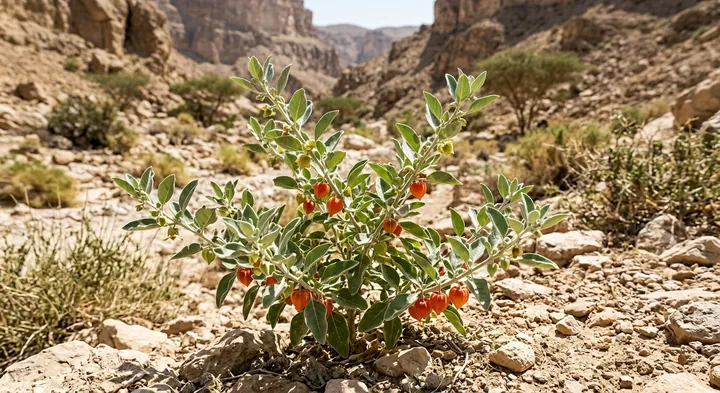
Ashwagandha
Withania somnifera
AI generated
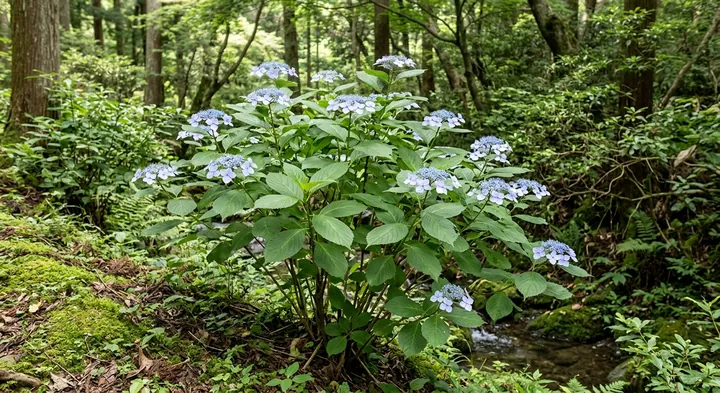
Hydrangea
Hydrangea macrophylla
AI generated
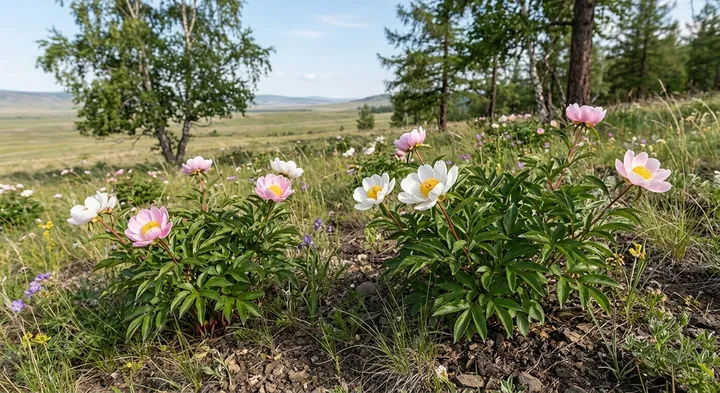
Peony
Paeonia lactiflora
AI generated
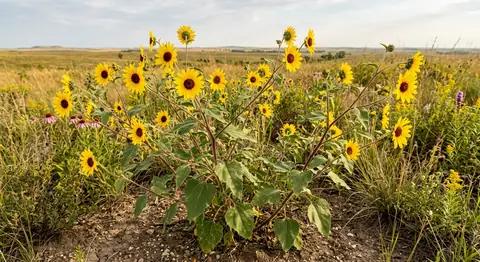
Sunflower
Helianthus annuus
AI generated
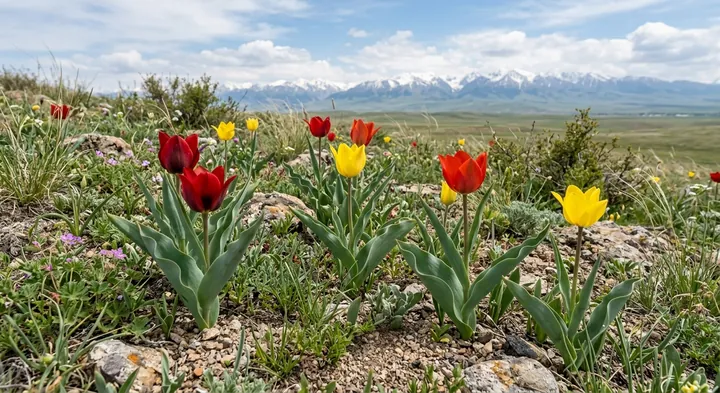
Tulip
Tulipa gesneriana
AI generated
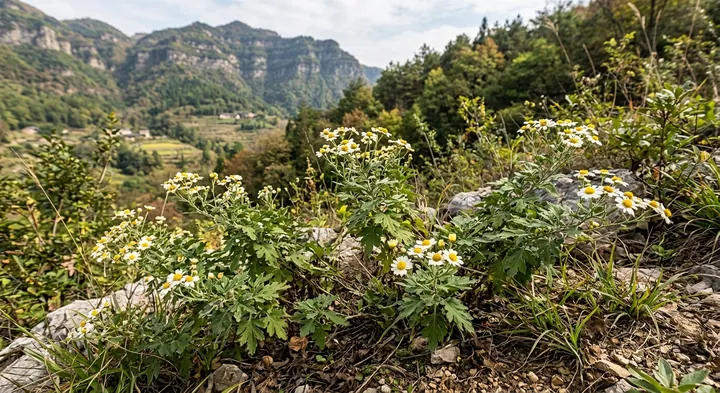
Chrysanthemum
Chrysanthemum morifolium
PlantoscanAI generated
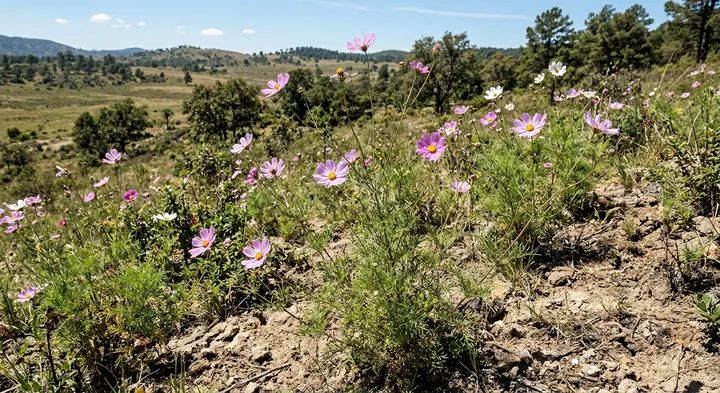
Cosmos
Cosmos bipinnatus
PlantoscanAI generated
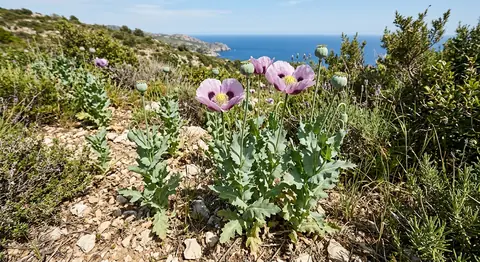
Poppy
Papaver somniferum
AI generated
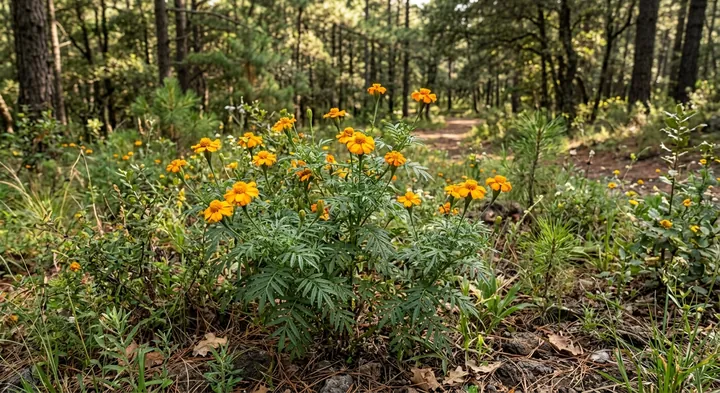
Marigold
Tagetes erecta
PlantoscanAI generated

Joshua Tree
Yucca brevifolia
no rights reservedCC0 1.0iNaturalist
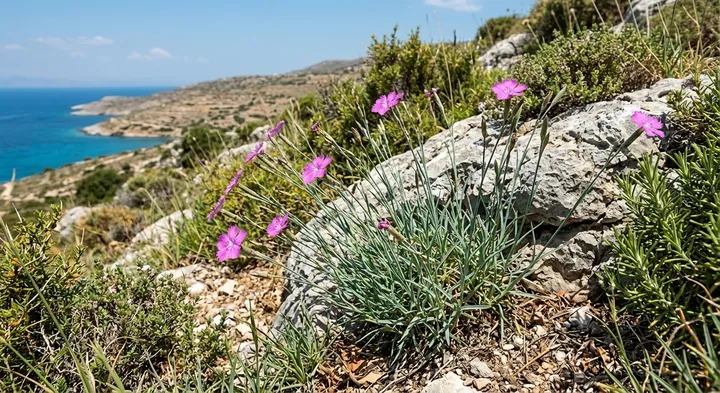
Carnation
Dianthus caryophyllus
AI generated
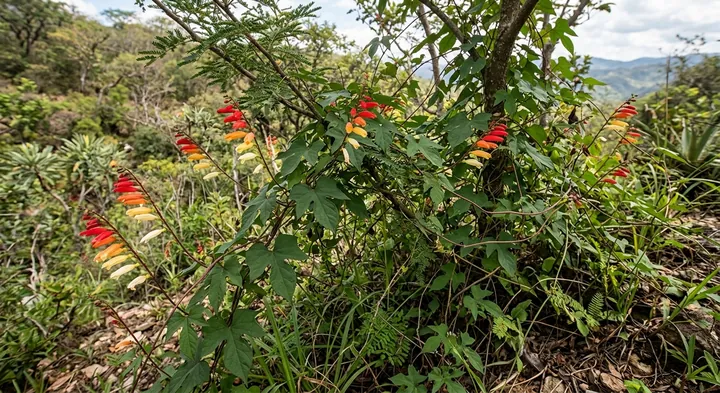
Spanish Flag
Ipomoea lobata
AI generated