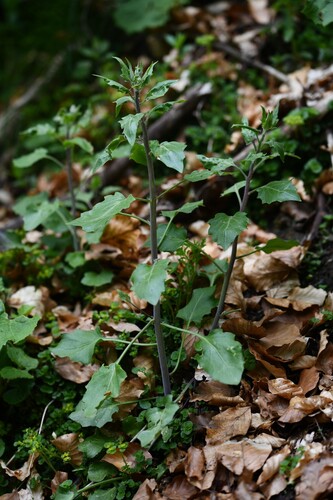
Photo: Flavien SaboureauCC BY 4.0via iNaturalistresized / cropped
Wall Cress Plant Care
Arabidopsis cebennensis (DC.) O'Kane & Al-Shehbaz
Updated · Sources · How we source care data
Arabidopsis cebennensis is a species of flowering plant in the family Brassicaceae. It is endemic to France, found in the southern mountains.
Every 3–5 days
Full sun to partial shade
50–75°F
40–60%
At a glance
How do you care for Wall Cress?
Plant Wall Cress in full sun to partial shade (USDA zones 12a) and water a young shrub every 3–5 days until it is established. It tolerates temperatures of 50–75°F (10–24°C). Fertilize it every 6 months during the growing season.

What Is the Wall Cress?
Wall Cress (Arabidopsis cebennensis) belongs to the Brassicaceae family within the Arabidopsis genus. Wall Cress is native to the southern mountains.
Wall Cress displays a low rosette, compact growth habit, reaching up to 0.5 ft tall with a spread of approximately 0.5 ft. Wall Cress produces small white flowers in clusters.
Leaf size: approximately 1.5 inches.
How Often Should You Water a Wall Cress?
Water a young or newly planted Wall Cress every 3–5 days, soaking the whole root zone, until it is established — usually one to two growing seasons. Established shrubs mainly need water during long dry spells. In a container, water whenever the top few centimetres of soil are dry.
Watering Frequency
Every 3–5 days
Until established; then in dry spells
What Light Does the Wall Cress Need?
Wall Cress thrives in full sun to partial shade.
Light Requirement
Full sun to partial shade
What Temperature and Humidity Does the Wall Cress Prefer?
Arabidopsis cebennensis tolerates temperatures of 50–75°F. Wall Cress prefers humidity levels of 40–60%.
Temperature
50–75°F
Humidity
40–60%
What Soil Mix Works Best for a Wall Cress?
Well-draining sandy loam with a slightly acidic pH. Good drainage is essential for Wall Cress to prevent waterlogging, which leads to root rot and fungal issues.
How Often Should You Fertilize a Wall Cress?
Feed Wall Cress every 6 months during the growing season with a balanced, slow-release fertilizer at the rate on the label. Established shrubs in good soil often need little extra feeding, so let weak growth or pale foliage guide you.
Stop feeding by late summer so new growth can harden before winter.
Fertilizing
Every 6 months
During the growing season
The PlantoScan app can remind you when to water and when to fertilize each plant.
Where Should You Plant a Wall Cress?
Choose a spot with full sun to partial shade and well-draining sandy loam with a slightly acidic pH. Avoid low spots where water collects after rain.
Wall Cress is suited to USDA Zone 12a.
Plant container-grown or balled-and-burlapped shrubs in spring or early autumn, setting the root flare at soil level, and water well after planting.
How Far Apart Should You Plant a Wall Cress?
Wall Cress can spread to about 1 ft (0.2 m) and reach about 1 ft (0 m) tall. Space plants about 1 ft (0.2 m) apart so mature crowns don't crowd each other, and plant at least half that distance from buildings, fences and paths.
Planning a row or hedge? Try the plant spacing calculator.
How Do You Prune a Wall Cress?
Prune Wall Cress while it is dormant in late winter: first remove dead, damaged and crossing branches, then thin lightly for shape.
If it flowers in spring, prune right after flowering instead so you don't remove next year's buds. Never take off more than about a quarter of the shrub in one year.
How Do You Care for a Wall Cress in Winter?
Wall Cress is frost-tender (hardy to USDA zone 12). In colder areas grow it in a container and move it to a bright, frost-free place before the first frost.
How Do You Propagate a Wall Cress?
Wall Cress can be propagated through seeds. Similar propagation techniques also apply to rock cress plant care, which shares the same genus.
Is the Wall Cress Toxic to Pets and Children?
Pet safety not verified
We have no verified record for Wall Cress, so we can't confirm whether it is safe for cats and dogs. Keep pets from chewing it as a precaution.
This is a general caution, not veterinary or medical advice. If your pet ate a plant, contact your vet or animal poison control.
See all plants toxic to cats and plants toxic to dogs.
What Pests and Diseases Affect the Wall Cress?
Wall Cress is susceptible to aphids, cabbage worms, flea beetles. Inspect the foliage regularly, especially along leaf undersides and stems. Treat infestations promptly with insecticidal soap or neem oil to prevent spread.
Yellow leaves, brown tips or drooping? See common plant problems and how to fix them.
What USDA Hardiness Zone Does the Wall Cress Need?
Wall Cress grows outdoors in USDA Zone 12a. It survives winters down to planting zone 12a. Wall Cress is native to the southern mountains. In cooler regions, grow Wall Cress as a houseplant or bring it indoors before the first frost.
Hardiness Zone
Zone 12a
Keep exploring plants
Wall Cress is one of many species covered in the complete plant care and identification guide, which groups plants by genus, attribute, and popularity.
It belongs to the Arabidopsis genus — compare its care with other Arabidopsis species on PlantoScan.
Arabidopsis is part of the Brassicaceae plant family — browse all Brassicaceae genera and species.
Wall Cress thrives in bright light and direct sun — see other bright-light plants.
Related Plant Care Guides
Closely related plants with similar care requirements:
Sources
- Scientific name & taxonomy: Arabidopsis cebennensis (DC.) O'Kane & Al-Shehbaz, family Brassicaceae (first published in Novon 7: 325 (1997)) — World Flora Online record, IPNI name record.
- Pet toxicity: Pet safety not verified: we have no verified record for Wall Cress, so we can't confirm whether it is safe for cats and dogs. Any toxicity note on this page comes from PlantoScan's plant database.
- Photo: Flavien Saboureau, CC BY 4.0, iNaturalist — original.
- Hardiness zone: USDA Zone 12a, calculated from the plant's minimum temperature.
- Care values (watering, light, temperature, humidity, soil, fertilizing): PlantoScan's plant database, filtered by automatic plausibility checks — values that fail them are hidden. How we source and check plant data.
Spotted a mistake? Email info@upvision.media with the page link — we check and correct reported errors.

Identify Plants Like the
Wall Cress Instantly
Scan a plant with your phone camera and get instant ID, care tips, water and fertilizer reminders, and health checks — all in one app.


Free
to download
iOS & Android
platforms
Light & dark
mode
100,000+
species